Welcome:Ultra CNC Machining


 Blogs
Electroplated and polished products look extremely similar, making them hard to distinguish with the naked eye. Here are the differences between the chrome plating process in electroplating and the polishing process:
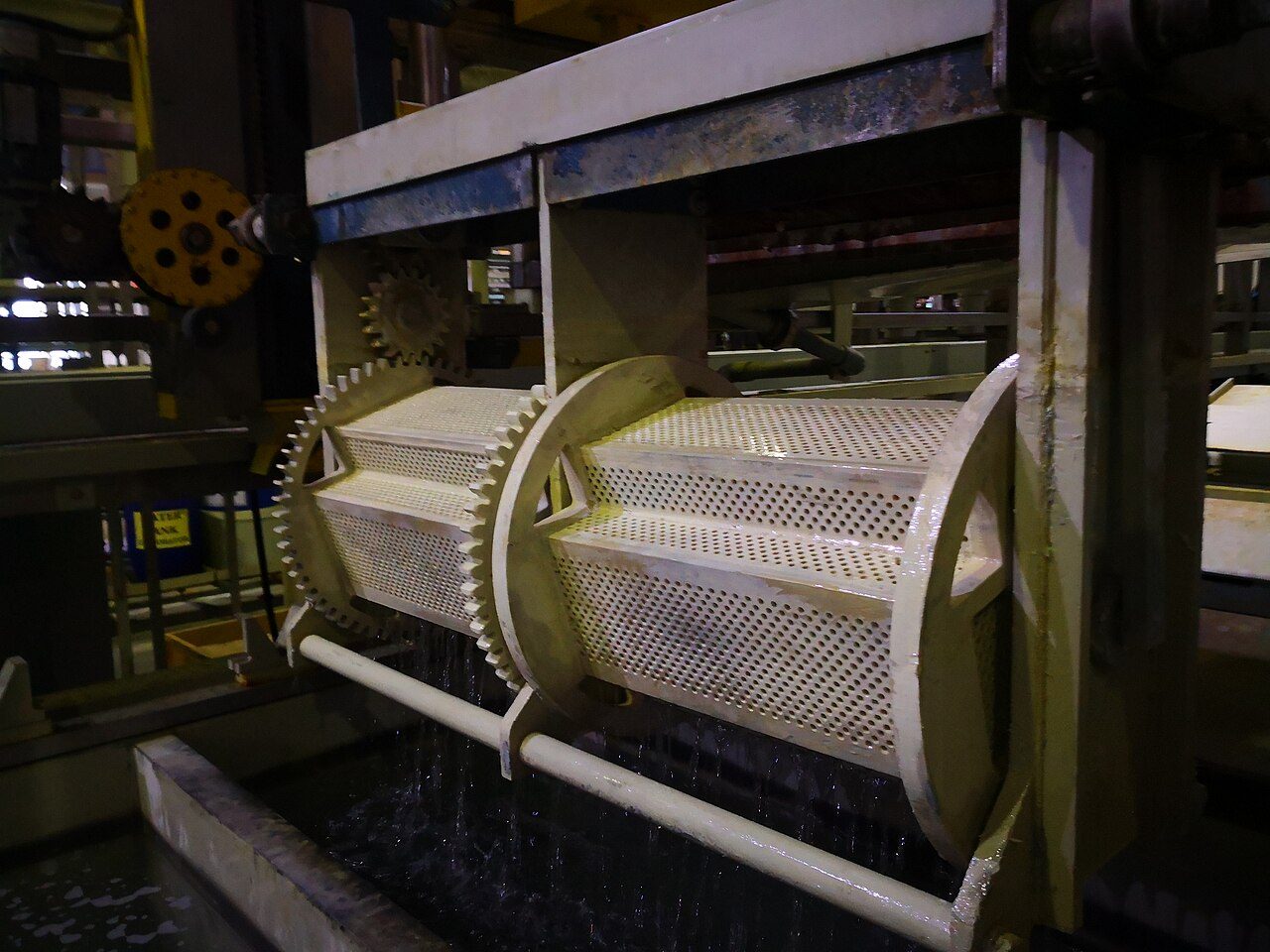
1) Chrome Plating: Chrome is a silver-white metal with a slight blue tint. The method of plating a layer of chrome onto metals or certain non-metals through electrolysis or chemical methods is called chrome plating. Metallic chrome easily passivates in the air, forming a very thin passivation film on the surface, which exhibits the properties of precious metals.
2) Polishing: This process uses mechanical, chemical, or electrochemical actions to reduce the surface roughness of a workpiece, achieving a bright and smooth surface. It relies on selectively dissolving the small protrusions on the material's surface to create a smooth finish.
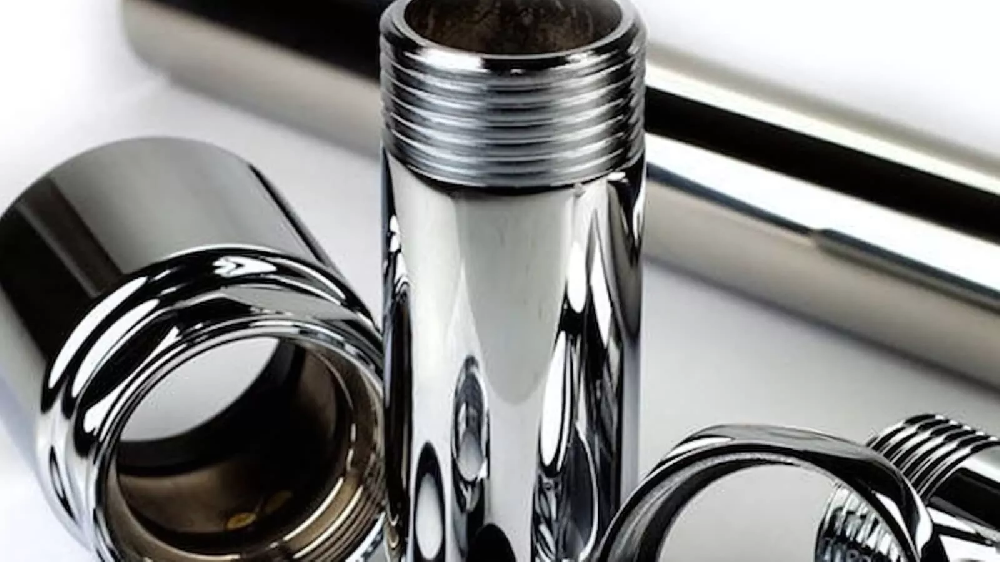
1) Chrome Plating: It provides the workpiece with a silver-blue mirror-like gloss that does not change color in the atmosphere. It has a high reflective ability and can be used as a mirror. Additionally, it increases the workpiece's hardness, wear resistance, and corrosion resistance.
2) Polishing: This process enhances the brightness of the workpiece surface to achieve a mirror-like effect.
1) Chrome Plating: It has low dispersive ability. For complex-shaped parts, special anodes or auxiliary cathodes are needed to achieve an even chrome plating layer.
The anode does not use metallic chrome but employs insoluble anodes, typically made of lead, lead-antimony alloys, or lead-tin alloys. The chrome consumed in the plating solution due to deposition or other reasons needs to be replenished with chromic anhydride.
2) Polishing: Traditional physical polishing mainly relies on manual operation. For special parts like rotating bodies, auxiliary tools such as turntables can be used.
For parts requiring high surface quality, ultra-fine polishing methods can be employed. Ultra-fine polishing uses specialized grinding tools pressed against the workpiece surface in a slurry containing abrasives, performing high-speed rotary motion. Electro-polishing can be categorized into various types, including electrolytic polishing, plasma polishing, and electrochemical polishing. Both electrolytic and plasma polishing involve applying electricity to the solution to achieve deburring and polishing effects.
 Blogs