Welcome:Ultra CNC Machining


 Blogs
Surface finishing is often treated as the last step in a CNC project, but it can influence fit, corrosion resistance, appearance and cost. Choosing a finish early helps you avoid rework, masking problems and unpleasant surprises at assembly.
This guide covers the finishes we see most often on machined parts and the questions worth asking before you approve a process.
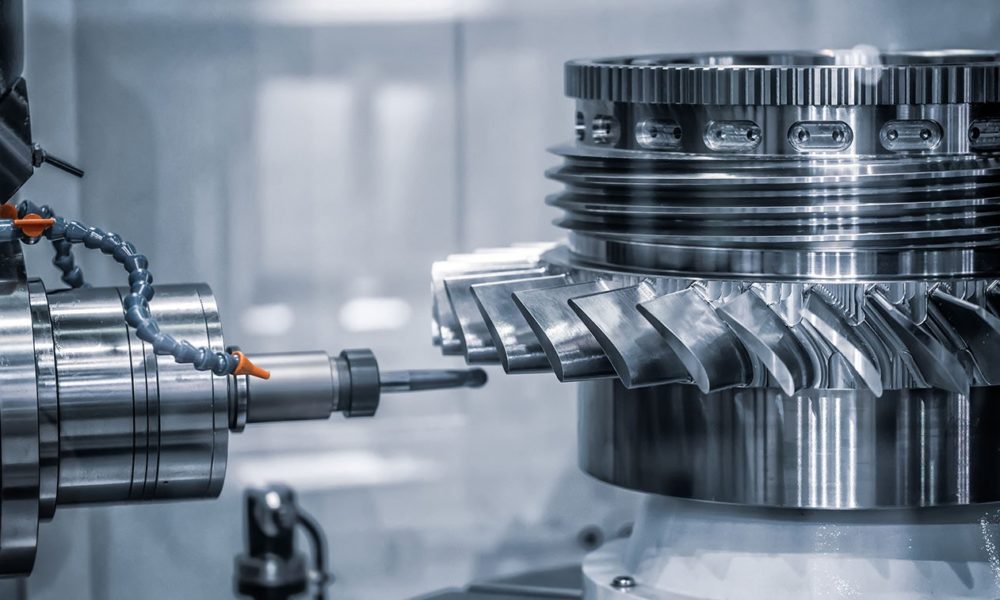
The base material narrows the options immediately. Aluminum is usually anodized; steel is commonly black-oxided, plated or painted; stainless steel is often passivated or electropolished. The service environment matters just as much: indoor appearance, outdoor humidity, salt exposure, chemicals, abrasion and electrical contact all point to different processes.
Also consider what the finish must not change. A thick coating can close a bore, fill a thread or affect a precision fit. A process that removes material can change a critical dimension. The right finish is the one that meets the requirement without compromising the part.
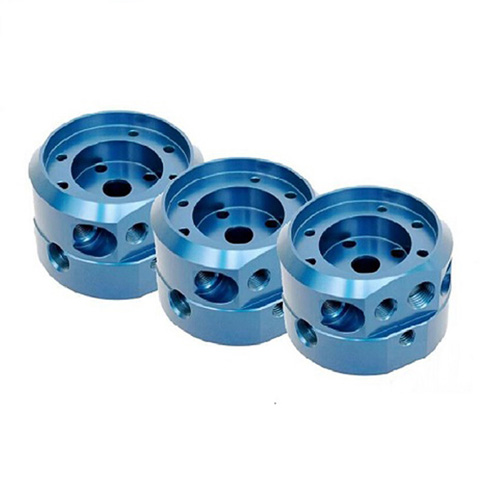
Anodizing is an electrochemical process mainly used on aluminum. It creates an oxide layer that improves corrosion resistance and wear resistance and can be dyed in different colors. Type II anodizing is common for appearance and protection; hard anodizing is used where wear resistance is more important. Anodizing adds a thin layer, so masking and thread protection may be needed on precision features.
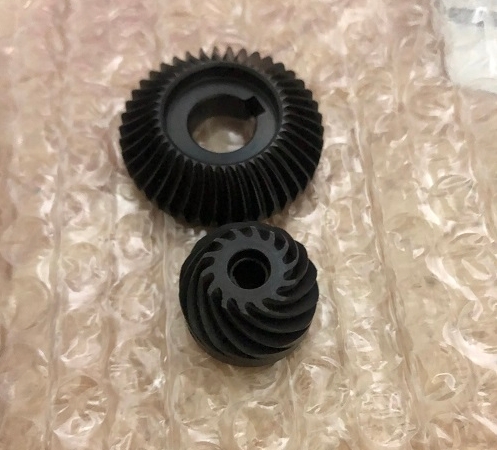
Black oxide, also called blackening, is commonly used on steel and iron parts. It gives a dark appearance with minimal dimensional change, which makes it useful for tools, fasteners and machine components. Corrosion resistance is limited compared with plating or coating, and black-oxided parts are often oiled to improve protection.
Zinc, nickel, chrome and other plating processes can provide corrosion resistance, wear resistance or a decorative surface. Plating is widely used on steel and brass parts. For high-strength steel, hydrogen embrittlement and baking requirements should be discussed with the finisher. Threads, holes and electrical contact areas may need masking.
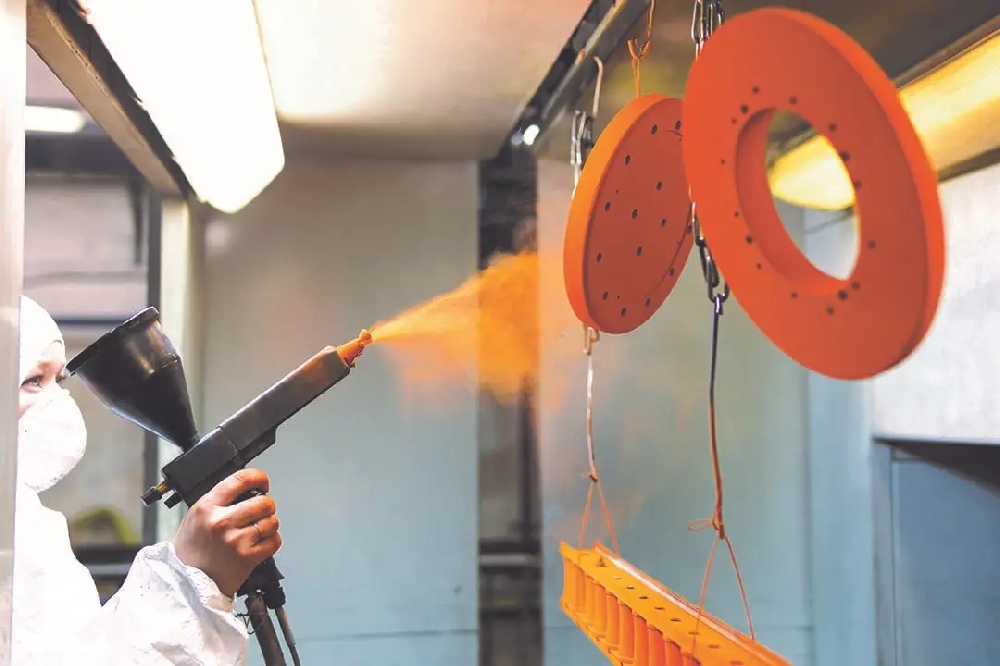
Powder coating gives a durable, uniform finish and is available in many colors and textures. It is thicker than anodizing or plating, so it can affect fits, threads and mating surfaces. Painting is used where a specific color or a lower-cost appearance finish is needed. Both processes require masking of precision areas and usually add lead time.
Passivation is commonly specified for stainless steel. It removes free iron and other surface contamination and helps the natural passive layer reform. Passivation does not add a coating or intentionally change dimensions, but the parts must be clean before the process. It is often requested for medical, food-processing and outdoor stainless components.
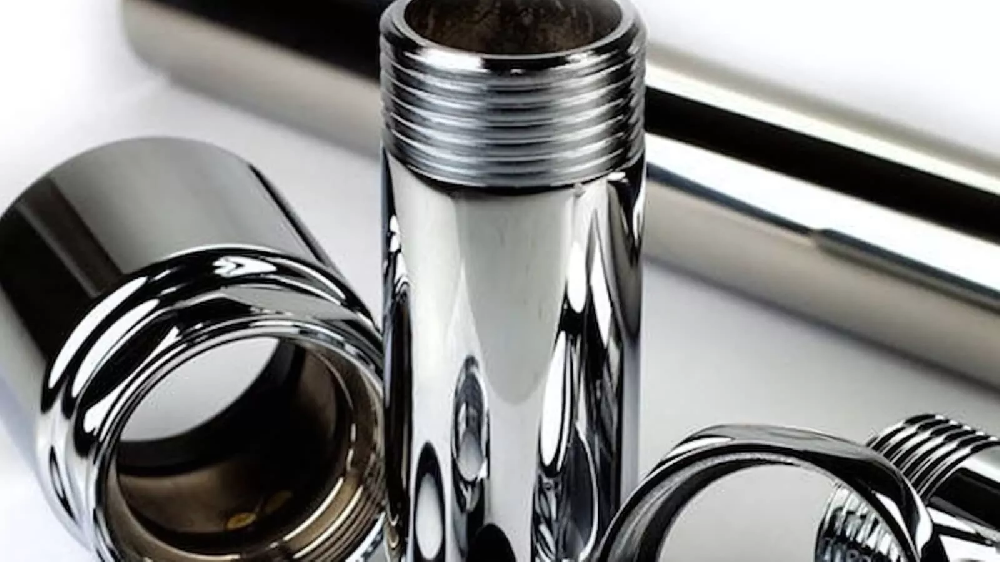
Electropolishing removes a small amount of surface material and smooths microscopic peaks. It improves surface finish and can help with cleanliness and corrosion resistance on stainless steel. Because it removes material, critical dimensions and sharp edges should be reviewed before the process is approved.
Sandblasting and bead blasting create a uniform matte surface and are often used before coating or anodizing. Polishing and brushing improve appearance and can remove tool marks, but they may round edges or change the appearance of machined features. Mechanical finishing is usually a cosmetic or preparation step rather than a corrosion-protection system.
A finish is not always dimensionally neutral. Plating and powder coating add thickness; electropolishing and polishing remove material; anodizing grows an oxide layer. If a part has a press fit, a sealing surface, a thread or a tight bore, tell the supplier which surfaces must remain untouched.
Finishing is usually priced by surface area, batch size, color, masking complexity and process type. Small batches often carry a higher unit cost because setup and minimum charges are spread over fewer parts. Ask whether the price includes masking, racking, packaging and inspection.
For repeat orders, keep the finish specification in the drawing or purchase order: process name, standard if applicable, color, thickness range, masking requirements and acceptance criteria. If the finish is critical, request sample approval and measurement reports before production. We do not claim certifications we do not hold; we document the processes we actually control and provide inspection records on request.
If you are unsure which finish suits your part, send the drawing and describe the environment. We can review the application and suggest a practical option before quoting. Our quote guide explains what else helps us respond quickly, and our quality page covers inspection and documentation.
For CNC turning, milling, prototyping, gears and sheet metal projects, start with the relevant service page or send your files directly through our contact page.
 Blogs