Welcome:Ultra CNC Machining


 Blogs
 Industry News
The functionality of CNC machines varies greatly, influenced by their complexity and cost. Some machines have diverse functions and can perform a series of operations, while others are specifically designed for specific tasks. The following are the most common types of CNC machines in the industry:
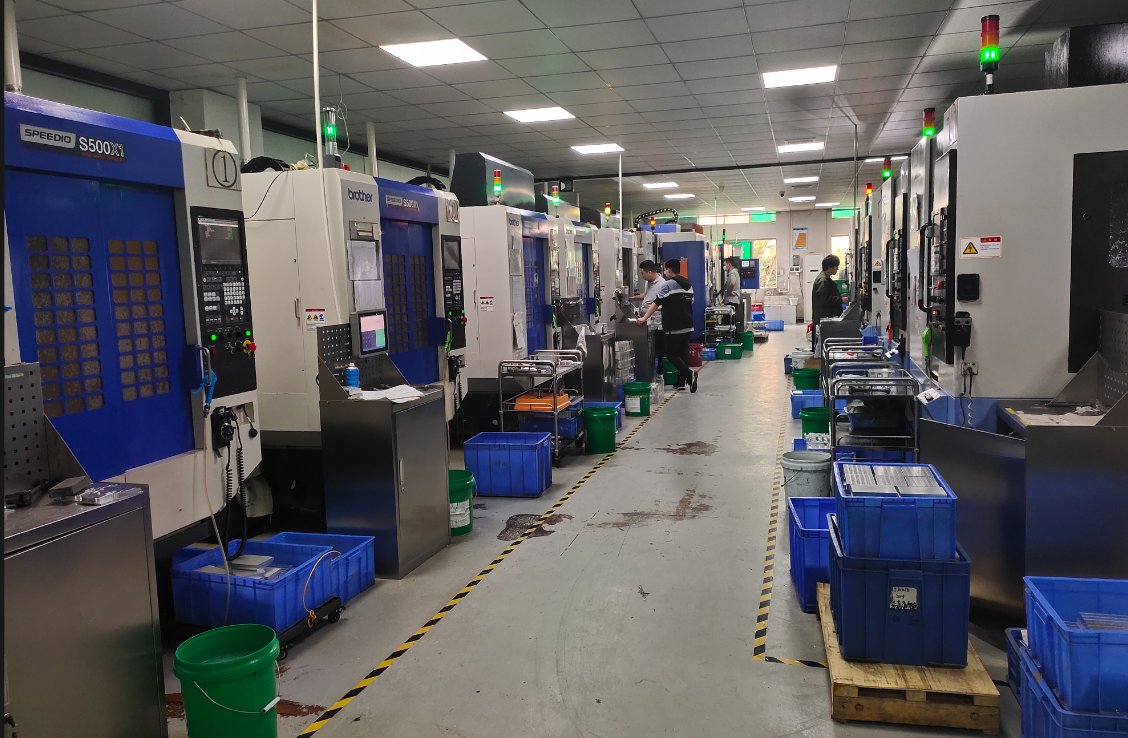
Milling machines: They use various tools (including lathes and water jets) for complex material removal. These machines run across multiple axes (horizontal, vertical, and angled) and can handle fine milling of wood, metal, and plastic, improving efficiency by minimizing material repositioning.
The turning process involves fixing the material onto a rotating mechanism (usually a lathe). When the material rotates, the CNC tool will cut a small amount of material to achieve the desired shape, effectively producing cylindrical and conical components in a precise and consistent manner.
CNC routers are designed specifically for precision, capable of cutting and shaping materials such as wood, plastic, and metal, providing complex 3D designs for industries that require detailed patterns and high precision.
The use of grinding wheels in CNC grinders can achieve excellent surface smoothness. This subtractive process can achieve excellent precision, reducing the tolerance of surface defects to 0.1 millimeters, making it the preferred choice for high-quality surface treatment.
Advanced cutting methods include electrical discharge machining and wire cutting machining. EDM uses electrodes for controlled thermal corrosion in dielectric fluids, while wire cutting uses thin wire electrodes for complex and precise cutting.
These machines use high-temperature plasma to effectively cut conductive materials such as steel and aluminum, providing fast and accurate results for industrial metal processing projects.
Focused laser beams can perform clean and complex cutting and engraving on metals, plastics, and glass, making them highly suitable for applications in the aerospace, jewelry, and electronics fields.
CNC machining is renowned for its precision and versatility, guided by parameters set during G-code generation. At RapidDirect, our CNC milling system can process parts up to 4000 x 1500 x 600 millimeters (157 inches x 59 inches x 24 inches) in size, providing a much larger build area than a 3D printer. For CNC turning, we are equipped with equipment for machining parts with diameters up to 200 millimeters (7.9 inches), which can accommodate components of various sizes. Our CNC machines can achieve excellent precision with tolerances as low as ± 0.001 inches (± 0.025 millimeters), which is less than half the diameter of an ordinary human hair. We can quickly and directly meet your needs, with a typical delivery time of 5 working days and a simple parts delivery time of 1 day. We are committed to providing precise and efficient services.
Here is a brief list of common CNC materials:
stainless steel Aluminum material titanium copper brass Other steel alloys Material Science The following is a list of common CNC surface treatments:
As a machining tool Sandblasting powder coating anodic oxidation Spray painting polishing heat treatment The end of passing by Black oxidation