Welcome:Ultra CNC Machining


 Blogs
 Industry News
CNC machining is a multifunctional process, and its operation varies according to specific requirements. Simple design can be achieved through a single operation, such as milling. However, more complex designs often require a greater variety of operations.
Here are some key CNC machining equipment widely used in the industry.
CNC milling is a high-precision and multifunctional machining process used to remove material from solid blocks to form specific shapes or designs. It involves using CNC systems to manipulate multi-point cutting tools (usually milling cutters) with extremely high precision. During this process, the workpiece is firmly mounted on the workbench, and the milling cutter rotates at high speed to systematically cut the material. This method is particularly effective for generating flat surfaces, but its functionality goes far beyond simple shapes.
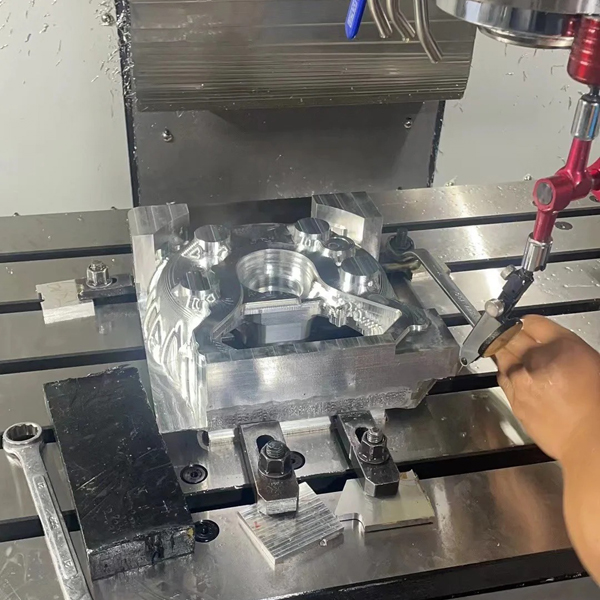
One of the main features of CNC milling machines is the ability to perform intermittent cutting through multiple machining steps, thereby efficiently creating complex geometric shapes. This technology has been developed to include 3, 4, and 5-axis milling machines:
3-axis milling: Basic operations such as drilling and planning can be achieved by moving along the X, Y, and Z axes. This method is very suitable for simple projects that require simple shapes and is widely popular due to its simplicity. However, it is limited in creating complex geometric shapes, making it most suitable for less complex designs.
4-axis milling: Adding a rotating axis can achieve more complex operations than 3-axis milling. This method is highly suitable for angle cutting and more complex shapes, expanding the capabilities of CNC machining. It is particularly useful for parts that require additional precision that a 3-axis milling machine cannot provide.
5-axis milling: the pinnacle of CNC milling, this machining method moves along five axes simultaneously, achieving extremely high precision and complexity. It has invaluable value in high-precision industry for creating complex shapes with strict tolerances. This method simplifies production by reducing the need for multiple settings, ensuring efficiency and accuracy.
CNC turning is an efficient machining process mainly used for forming cylindrical workpieces, but it can also handle square or hexagonal raw materials. The core of CNC turning is the use of computer-controlled lathes to rotate workpieces using various cutting tools. These tools trim and shape the material into the desired cylindrical shape.
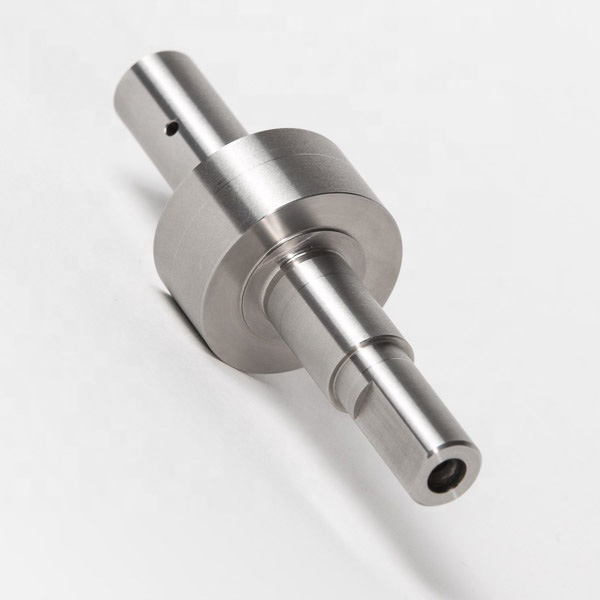
The uniqueness of a lathe lies in its versatility and precision, determined by different spindle and speed capabilities. This process can be executed in both vertical and horizontal settings, each suitable for specific types of workpieces and machining requirements.
There are two main types of machines:
CNC lathe: It is skilled in precision turning and is very suitable for processing high-precision cylindrical parts. It operates by rotating the workpiece on a fixed tool, making it ideal for simple to moderately complex shapes, typically used in the automotive and aerospace industries.
CNC turning center: It combines turning with additional functions such as milling and drilling. This multitasking capability allows for the production of complex parts in a single setup, thereby improving efficiency and accuracy. It is crucial for industries that require complex and multifaceted components, such as advanced manufacturing.
Drilling is an important manufacturing process that can produce threaded holes of different sizes in a workpiece. Due to the precise control of the movement and speed of the drill bit by the computer, the process is fully automated.
CNC drilling is very common in many industries, including printed circuit boards, metal parts, and plastics. Compared to traditional manual drilling, this process has multiple advantages, including higher accuracy, repeatability, and efficiency.
The rough operation of a CNC router is the same as that of a milling machine. A router is typically used to process softer materials such as wood, while milling is typically used to process harder metals. Just like any CNC operation, routers also provide excellent consistency, efficiency, and accuracy.
During the milling process, the workpiece remains completely stationary while the spindle moves in different directions. Due to the suitability of milling for softer materials, the overall rotational speed of the spindle may be quite low. There are various types of CNC milling machines, including desktop milling machines, gantry milling machines, and mobile gantry milling machines. The selection of machine tools and cutting tools will depend on the specific requirements of the workpiece and the desired final product.
An electrical discharge machining machine (EDM) is a manufacturing process that uses electrical discharge to corrode materials and produce complex shapes and geometries.
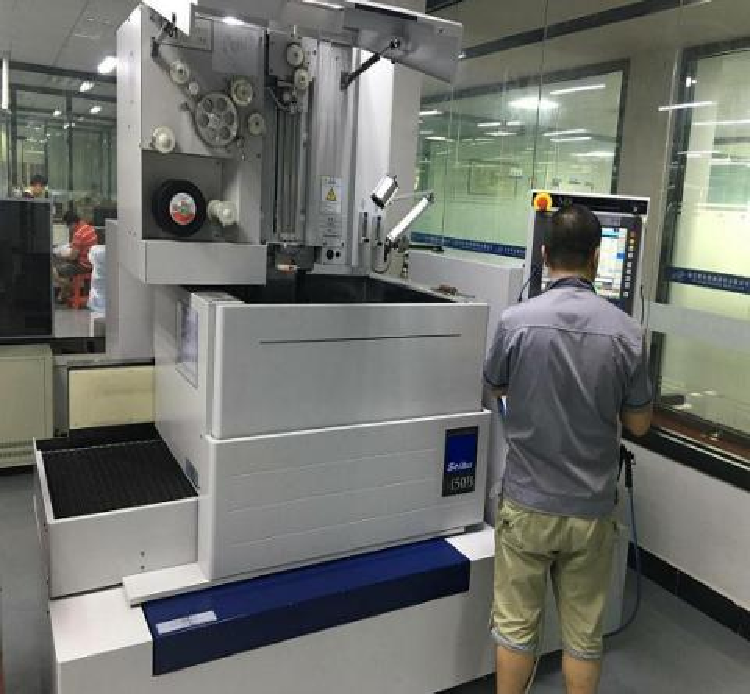
This process works by generating sparks between the electrode and the workpiece. The mechanic immerses the workpiece in a dielectric fluid, isolating electrical energy and allowing for precise control of sparks. Spark discharge vaporizes the workpiece and removes the path material to obtain the desired shape.
There are two main types of EDM: electric discharge molding machines and electric discharge wire cutting machines. Sinker EDM uses consumable electrodes to generate sparks. On the contrary, wire EDM uses thin wires that move back and forth to generate sparks.
Numerical control plasma cutting is a dynamic manufacturing process widely used in large-scale industrial environments, known for its ability to perform high-speed and precise cutting of conductive materials such as steel, stainless steel, aluminum, brass, and copper. This method involves a plasma torch, which generates a powerful plasma arc between the electrode and the workpiece, effectively melting and evaporating the material at the contact point. A key component of this process is high-pressure airflow, such as air or nitrogen, which discharges molten material from the cutting area to form clean, precise edges and minimize deformation or discoloration.
This technology stands out due to its versatility, allowing seamless cutting of thin and thick materials, thereby expanding its industrial applications. In addition, plasma cutting is cost-effective and has lower operating costs compared to other methods. It combines speed, accuracy, and economy, making it an important tool in modern manufacturing, especially in industries where efficiency and accuracy are crucial.
Numerical control laser cutting is an essential component in industrial manufacturing, highly praised for its accuracy and speed. It adopts advanced lasers, including CO2, Nd, and Nd: YAG types, which can effectively evaporate materials and ensure clean and precise cutting. This technology has a wide range of applications and can handle various materials, making it widely used in various industries.
The accuracy of this technology is not limited to a single operation; It has excellent repeatability, which is crucial for large-scale production. This consistent accuracy is particularly advantageous for industries such as aerospace and automotive where precision is crucial. Numerical control laser cutting is also known for its efficiency, which can minimize material waste and achieve excellent precision. In addition, this process simplifies workpiece clamping and reduces workpiece contamination, thereby improving overall productivity. With its ability to perform fine cutting and maintain strict tolerances, it has become an indispensable tool in contemporary manufacturing.