Welcome:Ultra CNC Machining


 Blogs
 Industry News
High-temperature machining (HTM) is an advanced manufacturing process that involves cutting materials at elevated temperatures to enhance their machinability and improve tool life. This technique has gained significant attention in various industries, including aerospace, automotive, and energy, due to its ability to effectively process difficult-to-machine materials such as titanium alloys and superalloys.
Recent advancements in tool materials, such as ceramic and cermet tools, have significantly improved performance in high-temperature environments. These materials offer enhanced hardness and thermal stability, allowing for better cutting efficiency and longer tool life.
Innovative cooling methods, including cryogenic cooling and high-pressure coolant systems, are being integrated into high-temperature machining processes. These techniques help maintain lower cutting temperatures, reducing thermal deformation and improving surface finish.
Manufacturers are increasingly adopting digital technologies and data analytics to optimize high-temperature machining processes. By analyzing cutting parameters and tool performance in real-time, companies can achieve higher precision and efficiency while minimizing waste.
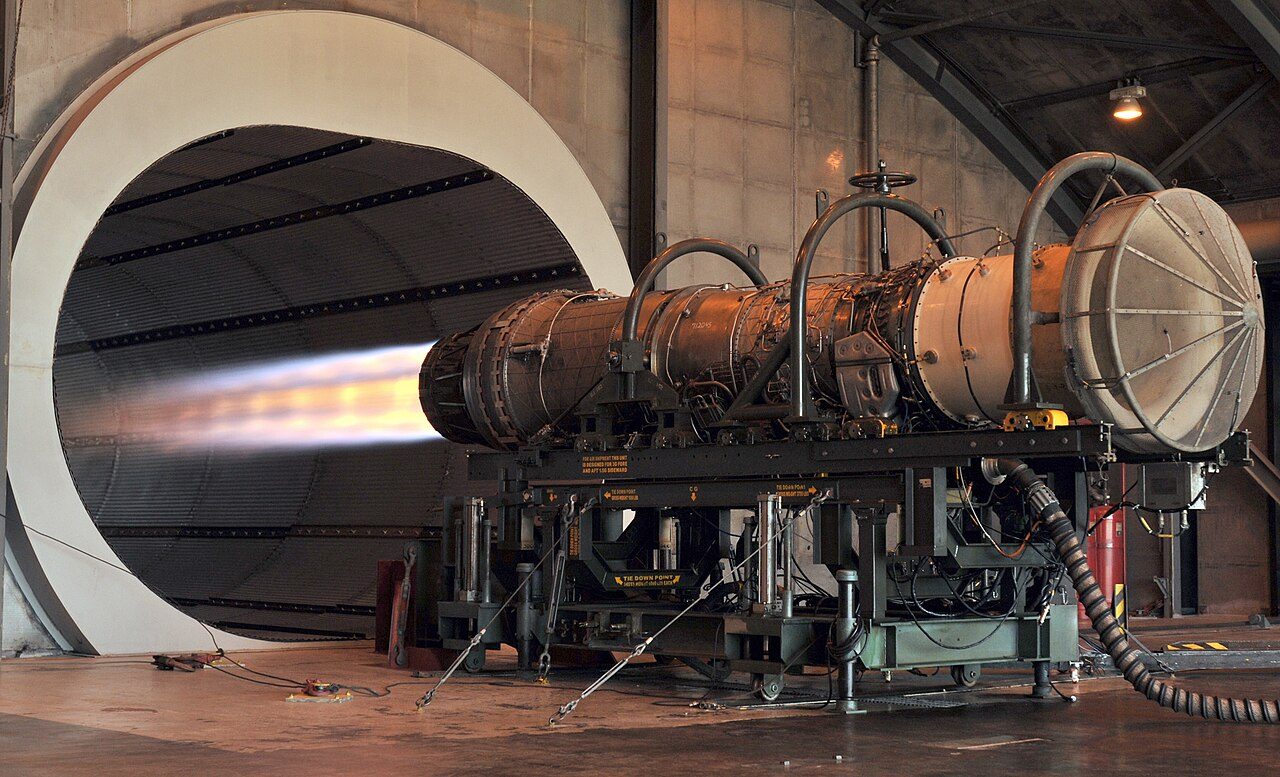
In the aerospace sector, high-temperature machining is critical for producing components that must withstand extreme conditions. The ability to machine superalloys at elevated temperatures ensures that parts like turbine blades are manufactured with the required strength and durability.
The automotive industry is leveraging HTM for lightweight materials, such as aluminum and titanium, to improve fuel efficiency. High-temperature machining allows for the production of complex geometries that are essential for modern vehicle designs.
While high-temperature machining offers numerous benefits, challenges remain, including tool wear and the management of thermal stresses. Ongoing research is focused on developing smarter tools and adaptive machining strategies to address these issues.
High-temperature machining is evolving rapidly, driven by technological advancements and industry demands. As manufacturers continue to explore and implement innovative solutions, the future of HTM looks promising, paving the way for more efficient and sustainable manufacturing processes.