The tool change process in a machining center is a critical operation that ensures precision and efficiency in manufacturing.
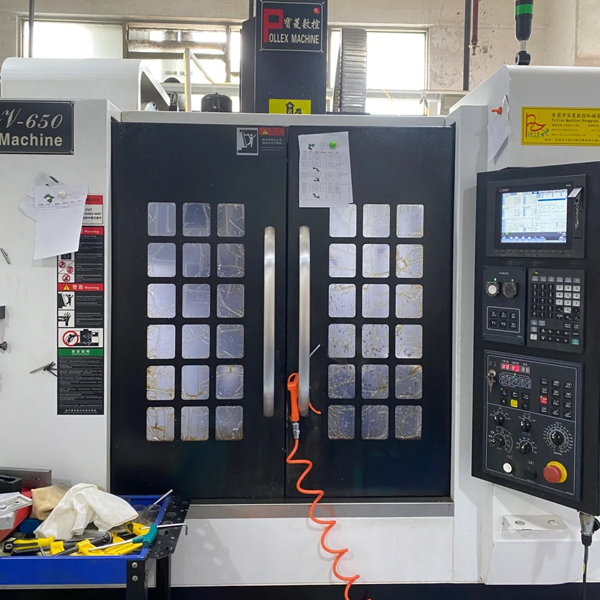
A CNC machining center with an automatic tool changer.
Here's a step-by-step overview:
Preparation: Before initiating the tool change, the operator verifies the current tool's status and checks the next tool's specifications.
Automatic Tool Change Initiation: The machining program commands the machine to stop the spindle and prepare for the tool change.
Tool Release: The machine's tool holder releases the current tool, often using a pneumatic or hydraulic mechanism. This ensures a secure grip on the tool during operation.
Tool Retrieval: The machining center's arm or carousel retrieves the next tool from the tool storage area. This process is typically automated and designed for speed.
Tool Installation: The new tool is precisely positioned and secured in the spindle. The machine confirms that the tool is correctly installed through sensors.
Calibration: After the tool is changed, the machine may perform a calibration check to ensure that the tool's dimensions and offsets are accurately set.
Resuming Operation: Once the tool change is complete and verified, the machining center resumes its operation, continuing the manufacturing process with the new tool.
This dynamic process highlights the importance of automation and precision in modern machining centers, ensuring high-quality production with minimal downtime.
Need precision machined parts?Send your 2D/3D drawings for a quote and DFM feedback within 24 hours.
We use analytics cookies to understand how visitors use this website. Essential cookies keep the site working. You can accept or decline analytics cookies.



 Blogs
 Industry News