Welcome:Ultra CNC Machining

 Products
 CNC Milling
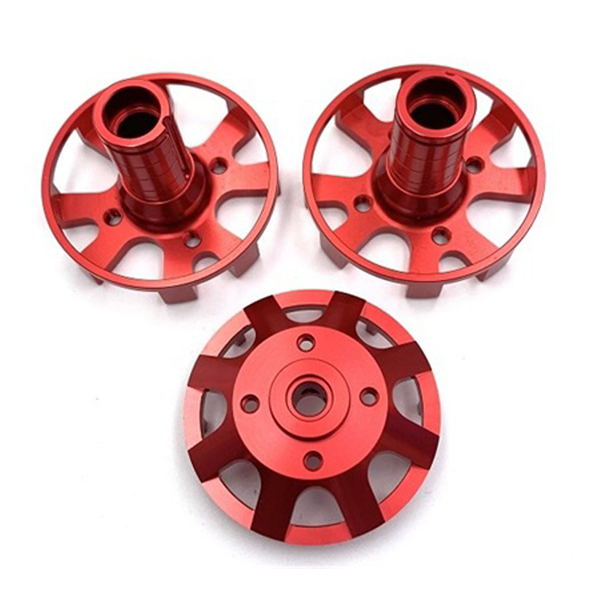
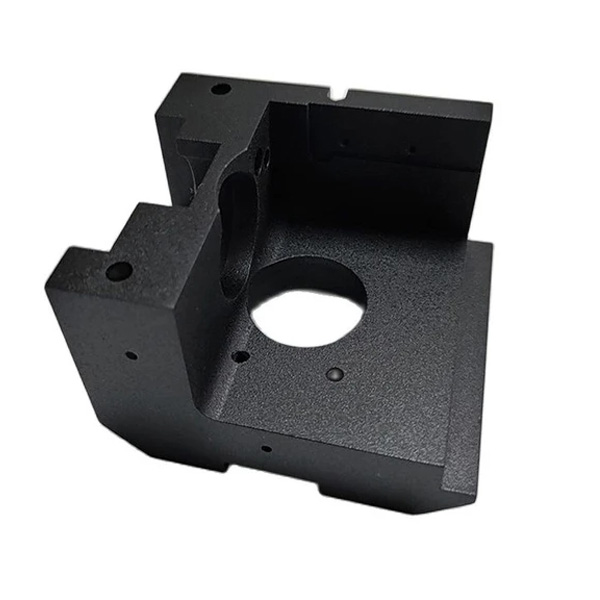
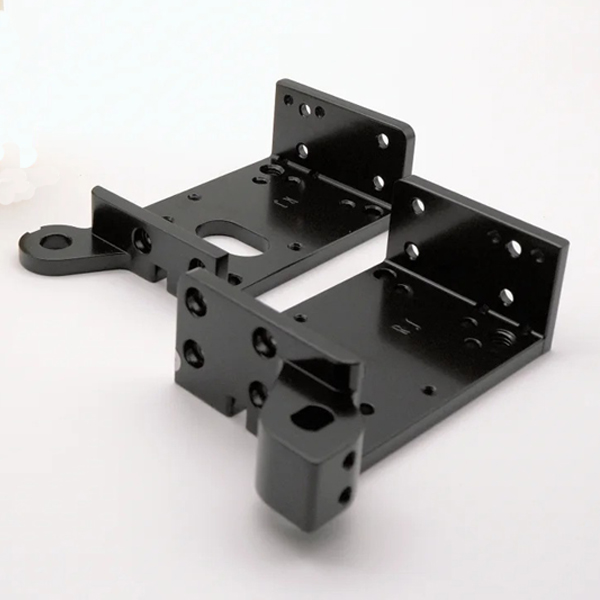
| Materials | Aluminum, brass, stainless steel, carbon steel, titanium, copper and engineering plastics |
|---|---|
| Processes | CNC turning, CNC milling, rapid prototyping, gear cutting and sheet metal fabrication |
| Tolerance | As tight as ±0.02 mm |
| Surface finishes | Anodizing, electroplating, polishing, powder coating and sandblasting |
| File formats | STEP, IGES, STL, DWG, DXF, ZIP, RAR |
| Quotation | Reply within 24 hours after drawing review |
| Quality documents | Material certificates, dimensional reports and FAI available on request |
| Confidentiality | NDA available before RFQ; drawings used only for quotation and production |
| RFQ guide | What to include in your quote request |
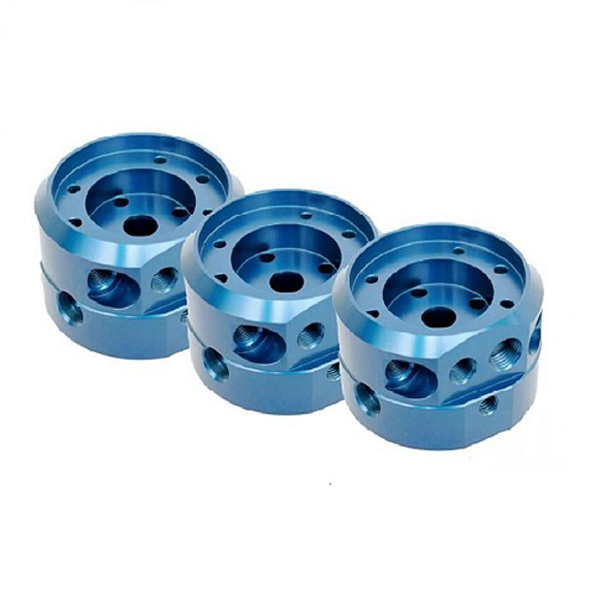
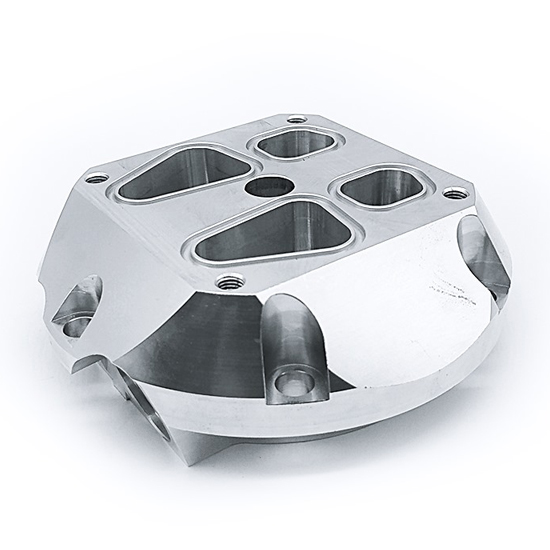
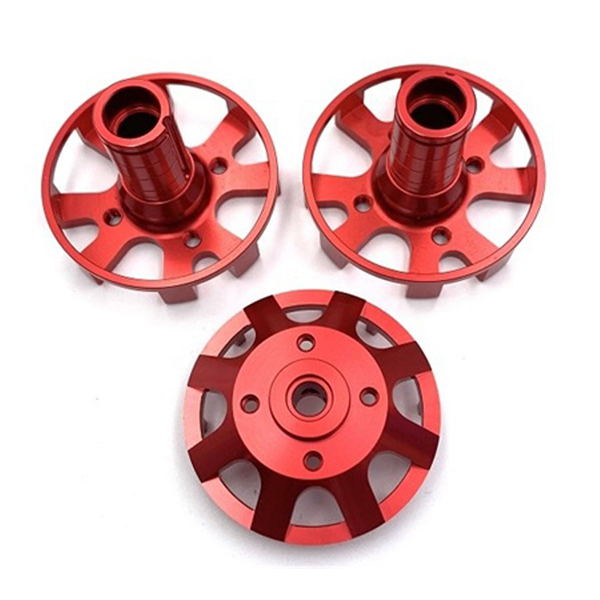
Aluminum alloys are widely used in various industries, including aerospace, automotive, electronics, and construction, due to their excellent physical and mechanical properties.
The milling process is a common method for machining aluminum alloys, known for its efficiency and high precision. This article will explore the milling process of aluminum alloy materials, key considerations, and its advantages.
Aluminum alloys have several notable characteristics:
Lightweight: With a low density, aluminum alloys significantly reduce the weight of structures.
Corrosion Resistance: They exhibit excellent resistance to corrosion, making them suitable for various environments.
Good Machinability: Aluminum alloys can be easily machined, allowing for intricate designs and tight tolerances.
Thermal and Electrical Conductivity: They possess good thermal and electrical conductivity, beneficial for many applications.
Milling is a machining process that involves the removal of material from a workpiece using rotary cutters. The process can be performed on vertical or horizontal milling machines, depending on the design and requirements.
Milling aluminum alloy materials is an essential process in modern manufacturing, offering numerous advantages such as lightweight, corrosion resistance, and excellent machinability.
By understanding the characteristics of aluminum alloys and optimizing the milling process, manufacturers can produce high-quality components that meet the demands of various industries.
We have a professional customized development team that can provide cnc machining solutions based on actual needs. From scheme specification, confirmation of the scheme, order production to on-site installation, we provide dedicated services throughout the process. If needed,call +86-13922894804 and we will arrange a professional person to contact you as soon as possible.
 +86-13922894804