Welcome:Ultra CNC Machining


 Products
 CNC Turning
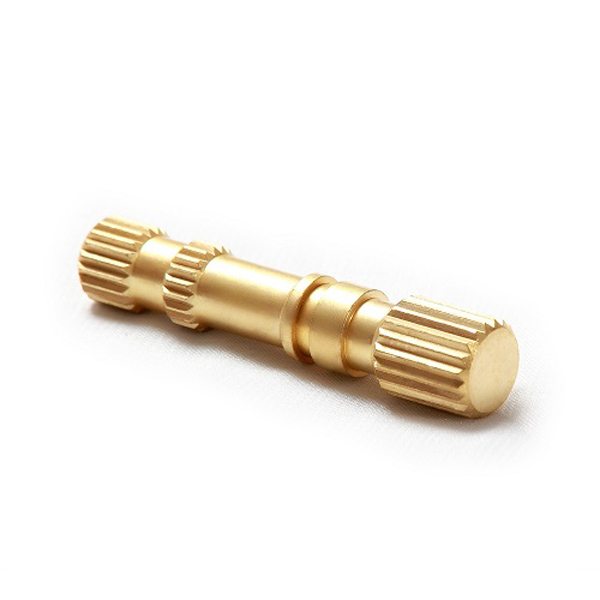
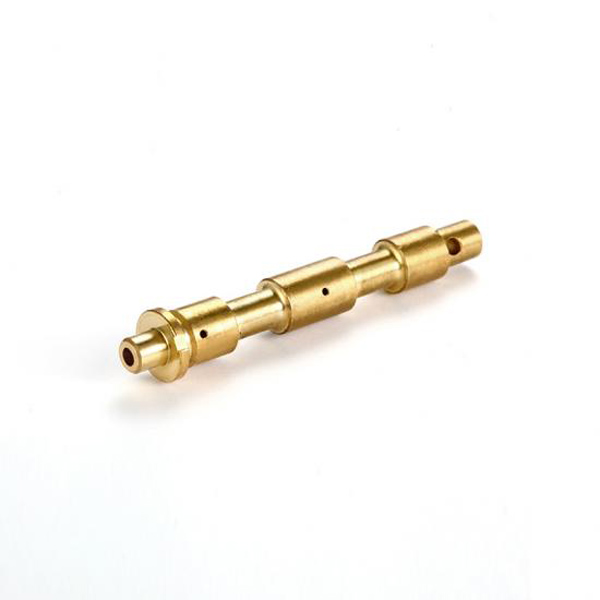
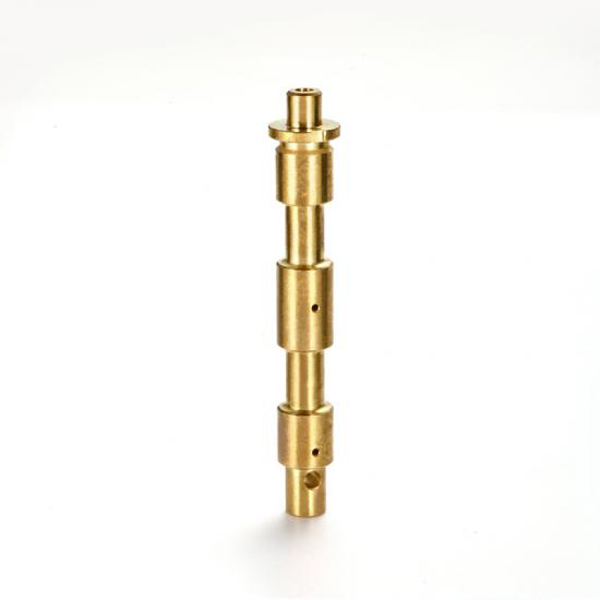
| Materials | Aluminum, brass, stainless steel, carbon steel, titanium, copper and engineering plastics |
|---|---|
| Processes | CNC turning, CNC milling, rapid prototyping, gear cutting and sheet metal fabrication |
| Tolerance | As tight as ±0.02 mm |
| Surface finishes | Anodizing, electroplating, polishing, powder coating and sandblasting |
| File formats | STEP, IGES, STL, DWG, DXF, ZIP, RAR |
| Quotation | Reply within 24 hours after drawing review |
| Quality documents | Material certificates, dimensional reports and FAI available on request |
| Confidentiality | NDA available before RFQ; drawings used only for quotation and production |
| RFQ guide | What to include in your quote request |
Brass lathe machining is a vital process in the manufacturing industry, known for producing high-quality components used in various applications, including plumbing, electrical fittings, and decorative items. This article delves into the characteristics of brass, the machining process, its advantages, challenges, and best practices.
Brass is an alloy primarily composed of copper and zinc, with varying proportions that influence its properties. Some key characteristics include:
Corrosion Resistance: Brass exhibits good resistance to corrosion, making it suitable for applications exposed to moisture and harsh environments.
Machinability: Brass is known for its excellent machinability, allowing for easy cutting and shaping. This quality makes it a preferred material for precision components.
Aesthetic Appeal: The attractive golden-yellow color of brass gives it a distinct aesthetic, making it popular for decorative applications.
Ductility: Brass is highly ductile, allowing it to be easily formed and shaped without breaking.
Machining brass involves several steps:
Preparation: The brass stock is selected based on the desired properties and dimensions of the final product.
Turning: The brass is mounted on a lathe, where it is rotated against cutting tools. This process shapes the material into the required form.
Finishing: After the initial machining, finishing processes such as sanding, polishing, or plating may be applied to achieve the desired surface quality.
Quality Control: The machined components are inspected for dimensional accuracy and surface finish to ensure they meet specifications.
High Machinability: Brass can be easily machined, which reduces production time and costs.
Good Thermal Conductivity: Brass has excellent thermal conductivity, making it suitable for applications that require efficient heat dissipation.
Versatile Applications: Due to its properties, brass is used in various industries, including automotive, electronics, and plumbing.
Recyclability: Brass is recyclable, making it an environmentally friendly choice for manufacturers.
Chip Formation: Brass can produce long, stringy chips during machining, which can interfere with the cutting process. Effective chip management is essential.
Work Hardening: Some brass alloys may harden during machining, which can complicate the process. Proper cutting speeds and tool selection can mitigate this issue.
Tool Wear: While brass is generally easy to machine, the right tools must be used to minimize wear and ensure precision.
Choose the Right Tools: Use high-speed steel or carbide tools designed for brass to enhance performance and reduce wear.
Optimize Cutting Parameters: Adjust cutting speeds and feeds to suit the specific brass alloy being machined.
Implement Coolants: Using cutting fluids can help manage heat and improve surface finish.
Maintain Equipment: Regular maintenance of machining equipment is crucial for consistent performance and longevity.
Quality Assurance: Establish a robust quality control process to ensure that all machined components meet industry standards and customer requirements.
Brass lathe machining is a critical process that combines efficiency and quality to produce a wide range of components. By understanding the properties of brass and adhering to best practices, manufacturers can optimize their machining processes, resulting in high-quality products that meet the diverse needs of various industries. As advancements in technology continue to evolve, the techniques and tools used in brass machining will also improve, paving the way for innovation in manufacturing.
We have a professional customized development team that can provide cnc machining solutions based on actual needs. From scheme specification, confirmation of the scheme, order production to on-site installation, we provide dedicated services throughout the process. If needed,call +86-13922894804 and we will arrange a professional person to contact you as soon as possible.
 +86-13922894804