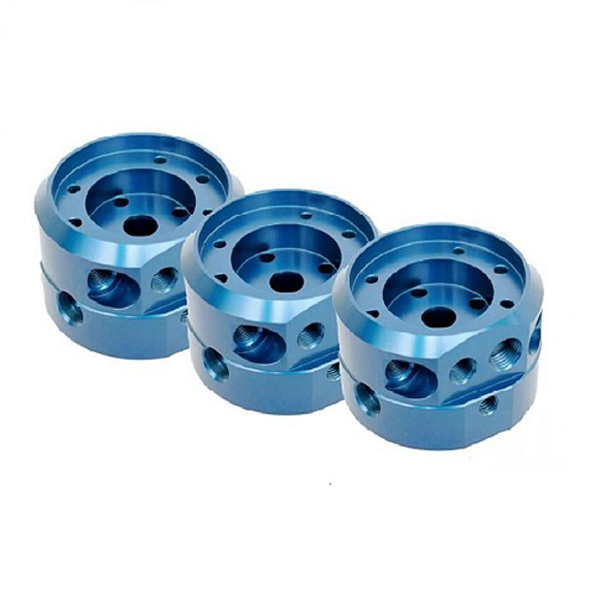
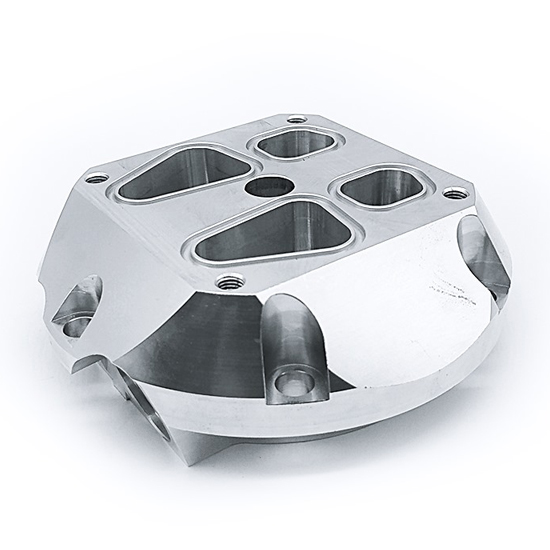
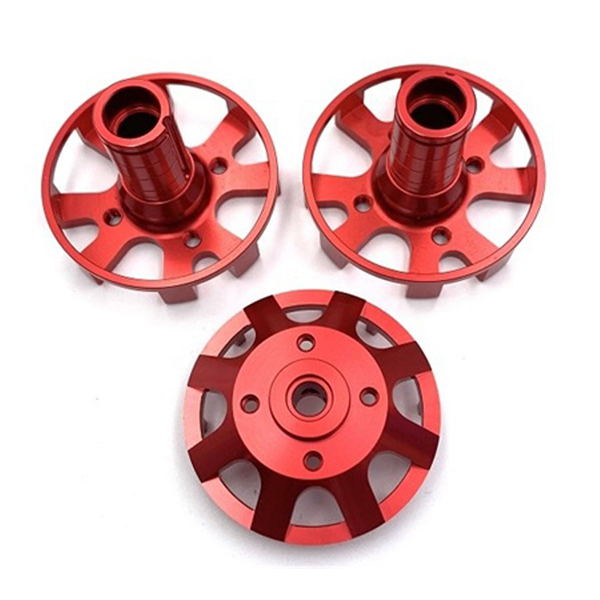
Welcome:Ultra CNC Machining


 Products
 CNC Turning
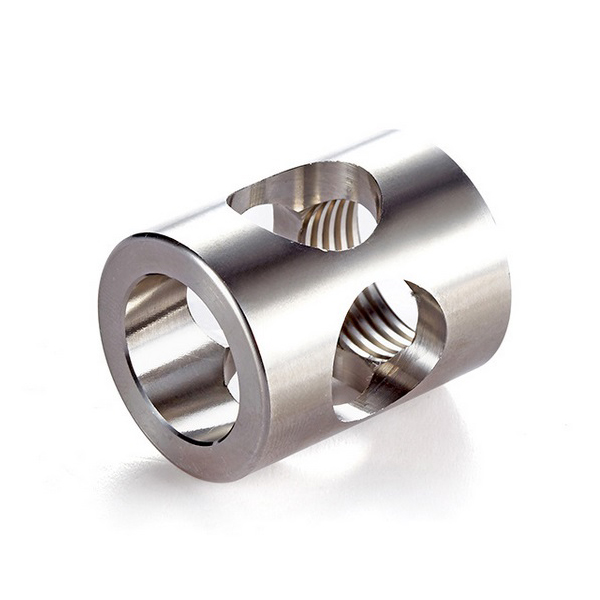
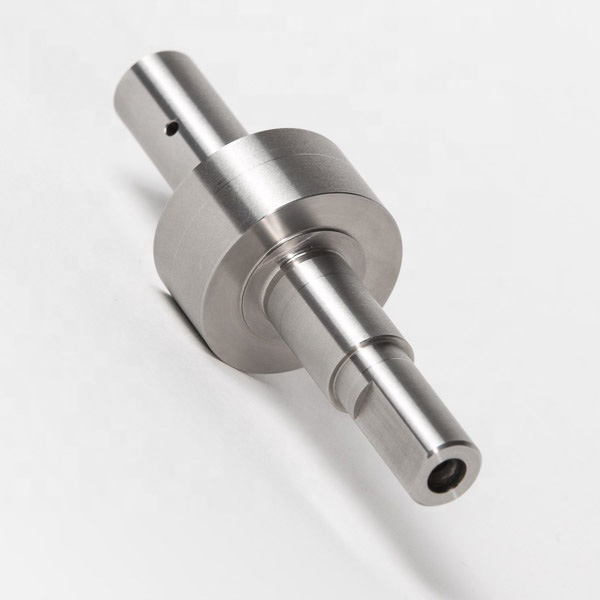
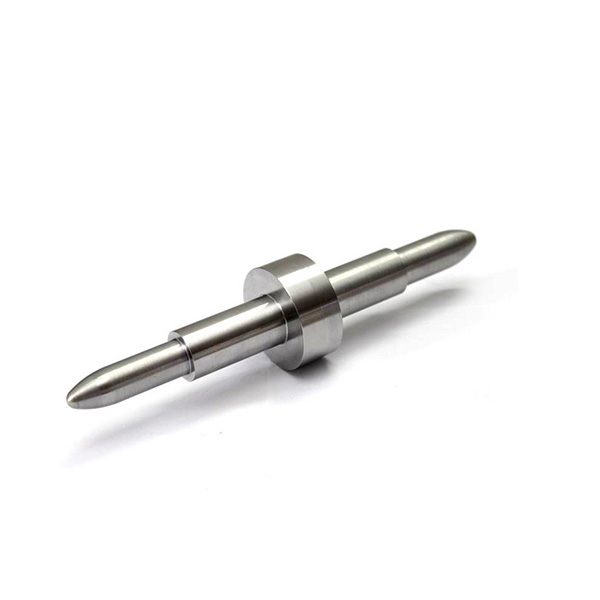
| Materials | Aluminum, brass, stainless steel, carbon steel, titanium, copper and engineering plastics |
|---|---|
| Processes | CNC turning, CNC milling, rapid prototyping, gear cutting and sheet metal fabrication |
| Tolerance | As tight as ±0.02 mm |
| Surface finishes | Anodizing, electroplating, polishing, powder coating and sandblasting |
| File formats | STEP, IGES, STL, DWG, DXF, ZIP, RAR |
| Quotation | Reply within 24 hours after drawing review |
| Quality documents | Material certificates, dimensional reports and FAI available on request |
| Confidentiality | NDA available before RFQ; drawings used only for quotation and production |
| RFQ guide | What to include in your quote request |
Stainless steel lathe machining is a crucial process in modern manufacturing, widely used for producing precision components in various industries such as automotive, aerospace, and medical devices. This article explores the key aspects of stainless steel machining, including its advantages, challenges, and best practices.
Corrosion Resistance: One of the primary benefits of stainless steel is its excellent resistance to corrosion, making it ideal for applications in harsh environments.
Durability: Stainless steel components are known for their strength and durability, which contributes to the longevity of the products manufactured.
Aesthetic Appeal: The shiny, polished finish of stainless steel not only enhances the appearance of the final product but also adds to its functionality by making it easier to clean.
Versatility: Stainless steel can be machined into a variety of shapes and sizes, allowing for a wide range of applications.
Tool Wear: Machining stainless steel can lead to significant tool wear due to its hardness. This necessitates the use of high-quality cutting tools and regular tool changes to maintain precision.
Heat Generation: The machining process generates heat, which can affect the properties of stainless steel. Proper cooling techniques, such as using cutting fluids, are essential to mitigate this issue.
Chip Formation: The formation of chips during machining can be problematic. Managing chip removal is crucial to prevent damage to the workpiece and ensure a smooth machining process.
Select the Right Tools: Use carbide or high-speed steel tools designed specifically for stainless steel to minimize wear and improve cutting efficiency.
Optimize Cutting Parameters: Adjust cutting speeds, feed rates, and depth of cut to enhance performance and reduce heat generation.
Utilize Coolants: Employ cutting fluids to dissipate heat and improve surface finish. The choice of coolant can significantly impact the machining process.
Regular Maintenance: Keep machining equipment well-maintained to ensure optimal performance and extend the lifespan of tools.
Quality Control: Implement strict quality control measures to ensure that the finished components meet the required specifications and standards.
Stainless steel lathe machining is a complex yet rewarding process that plays a vital role in the production of high-quality components. By understanding the advantages and challenges associated with machining stainless steel, manufacturers can adopt best practices that lead to improved efficiency, reduced costs, and superior product quality. As technology advances, the techniques and tools used in stainless steel machining will continue to evolve, opening new possibilities for innovation in manufacturing.
We have a professional customized development team that can provide cnc machining solutions based on actual needs. From scheme specification, confirmation of the scheme, order production to on-site installation, we provide dedicated services throughout the process. If needed,call +86-13922894804 and we will arrange a professional person to contact you as soon as possible.
 +86-13922894804